
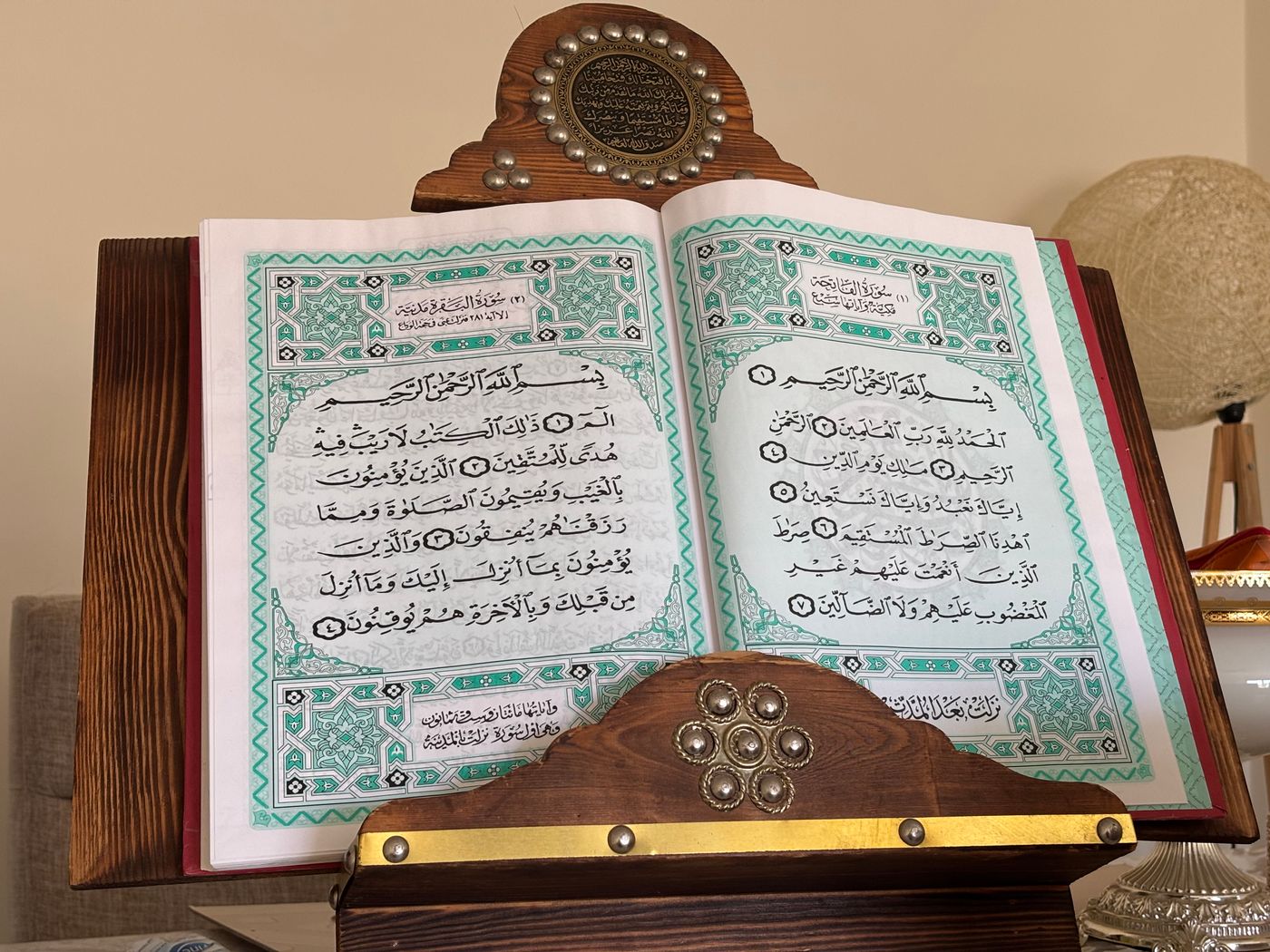
What should happen after we understand the meaning of a Quranic verse?
A short video shared by SantapanMinda on X raises a question worth sitting with: Why are we trying to understand the Quran in the first place?
Learning Arabic words, reading translations and attending classes are valuable steps. Yet understanding is not the finish line. It is an invitation to reflect more deeply and allow the Quran's guidance to shape our choices.
Understanding the Quran is a beginning, not an end
Imagine recognising the meaning of a word you have recited in salah for years. Previously, you said it from memory. Now it carries a meaning you can recognise when you encounter it again.
That is real progress. But another question follows: What does this verse ask of my heart, my character and my actions?
Learning vocabulary helps us approach the message. Reflection, or tadabbur, invites us to consider the guidance carefully, with sound context and interpretation. Putting what we learn into practice is how that guidance begins to influence daily life.
These stages support one another. We should never dismiss the value of language learning simply because there is more to explore. A strong foundation helps us take the next step.
A pearl does not reveal the entire ocean
One of the most memorable images in the video is an ocean and a pearl.
Finding a single pearl does not mean we have discovered everything the ocean contains. Its depth and vastness remain far beyond what one discovery can show.
Our relationship with the Quran is similar. Knowing a number of words or studying several surahs does not mean we have exhausted their lessons. There is always more to learn about language, interpretation, wisdom and the ways those teachings relate to our lives.
The more we learn, the more we realise how much of the journey still lies ahead.
This is a reason for humility, not discouragement. Every genuine step of learning matters, even when it reminds us how much we have yet to understand.
Reflection is part of the Quran's own invitation
Surah Sad 38:29 describes the Quran as a blessed Book revealed so that people may reflect upon its verses and take heed.
In Surah Muhammad 47:24, people are challenged to reflect on the Quran rather than leave their hearts closed to its message.
These verses remind us that Quranic learning involves more than completing pages or collecting information. It invites attentive reflection, remembrance and growth. For deeper interpretation, we should continue to consult reliable tafsir and qualified teachers.
Three small steps from knowledge to daily life
1. Understand: start with one word or verse
You do not need to grasp everything at once. Learn a recurring Quranic word, recognise its meaning and notice where it appears again. Small, consistent learning builds confidence.
2. Reflect: ask what the verse is teaching
After reading a trustworthy explanation, pause. Is this passage drawing your attention to patience, gratitude, honesty, responsibility or kindness? Resist rushing through a verse simply to complete a target.
3. Practise: make one concrete change
When you learn about good speech, pause before sending an angry reply. When you read about gratitude, deliberately acknowledge a blessing you often overlook. When patience is the lesson, ask how you can respond more thoughtfully to a difficulty.
One small action, repeated sincerely, can matter more than a moment of inspiration that fades by tomorrow.
Where Think Quran fits into the journey
Think Quran can help learners begin by recognising Quranic vocabulary in manageable steps. Features including Word Quest, Surah Quest and Reflection create opportunities to learn words, encounter them in surah context and spend time considering their lessons.
It is a learning aid, not a replacement for a teacher or trusted tafsir. Understanding vocabulary is helpful precisely because it can open the door to deeper study and more thoughtful living.
Let the meaning travel beyond the page
Today, perhaps you understand one word you did not know yesterday. Tomorrow, one verse. With time, perhaps one lesson changes how you speak, how you treat family or how you face a challenge.
You do not need to rush the journey.
The goal is not merely to know what Quranic words mean, but to keep learning how Allah's guidance can shape our lives.
Ready to begin with Quranic vocabulary? Visit ThinkQuran.ai and take one step at a time.
Source and credit: Inspired by a video shared by SantapanMinda on X. The question about the purpose of understanding the Quran and the ocean-and-pearl analogy are drawn from that video; practical examples are independent ThinkQuran.ai editorial reflections. Quran references: Sad 38:29 and Muhammad 47:24. Photo: Mohammad Kheir / Pexels.