
No time to attend classes. Not particularly confident with technology. But still determined to understand the Quran.
For many busy adults, those challenges will sound familiar. A long working day, family responsibilities and unfamiliar digital tools can make the idea of learning something new feel difficult.
That is why a short testimonial shared by Santapan Minda on X caught my attention. It features Abang Nazmi, a man who identifies himself as a security worker in the video.
The post explains that he found it difficult to make time for classes and did not feel particularly skilled with IT. Yet his desire to understand the Quran remained. According to the post, he is now learning while working using Think Quran.
It is a simple account, but sometimes a simple account carries the most relatable lesson.
Watch Abang Nazmi's original video testimonial on X.
1. A sincere intention can become a small first step
How often do we tell ourselves, “I will start when I have more free time”?
Perhaps we want to learn the meanings of the Quranic verses we recite. But mornings are crowded, evenings are tiring and weekends never seem long enough.
It is easy to feel that meaningful learning requires perfect conditions: a fixed schedule, a nearby class and plenty of uninterrupted time.
Abang Nazmi's story offers a different kind of encouragement. It is not presented as a miraculous transformation or proof that everyone will achieve the same result. Instead, it shows a willingness to try despite genuine practical obstacles.
And that willingness matters.
2. You do not have to be a technology expert
For people who rarely use learning apps, technology can be intimidating. Even navigating menus or understanding how digital exercises work may take practice.
The original Santapan Minda post acknowledges this very challenge. Abang Nazmi was not described as an advanced technology user. That is part of why his experience is relatable.
Learning can begin with a single function, a short session and a little guidance. There is no requirement to master every feature on the first day.
The purpose of technology is to make a useful activity more accessible, not to make beginners feel left behind.
3. Learning around work, with responsibilities first
One of the strongest points in the post is that Abang Nazmi is learning while working.
For some people, a phone-based learning approach may fit around a busy routine more easily than attending regular in-person classes. It can offer flexibility, especially when appropriate free moments arise.
That does not mean employees should use their phones when doing so could affect safety, performance or workplace rules. For a security professional, the responsibilities of the job must always come first.
A permitted break or other appropriate free time is a more responsible opportunity to study. We do not know Abang Nazmi's exact schedule, so there is no reason to invent one.
4. Beyond reading: wanting to understand the Quran
The video highlights the wish to move beyond recitation alone and begin understanding the Quran's meanings.
In Surah Sad 38:29, the Quran is described as a blessed Book revealed so that people may reflect upon its verses and receive reminders.
Reciting the Quran is valuable. Learning the meanings of words, studying reliable translations and seeking sound explanations can also help a person reflect on what they recite.
A vocabulary app can support that journey, but it should not be mistaken for a complete substitute for knowledgeable teachers, trustworthy tafsir or deeper study.
5. Five lessons we can take from Nazmi's experience
- Do not wait for an ideal timetable. Look for a realistic learning routine that respects your responsibilities.
- It is fine to be a beginner. Lack of confidence with apps should not stop you from asking for help and exploring.
- Use appropriate free moments. Short sessions during permitted breaks can be a practical starting point.
- Choose understanding over impressive numbers. Reviewing a few meaningful words can be better than rushing through a long list without retention.
- Continue learning from trusted sources. Digital tools can complement, not replace, sound teaching.
Thank you for sharing, Abang Nazmi
Not every inspiring story needs a famous speaker or a dramatic achievement. Sometimes it is enough to hear from someone who simply wants to keep learning despite a demanding routine.
Thank you to Abang Nazmi for sharing his experience and to Santapan Minda for making it available to others.
If you have been meaning to understand more of the Quran but are unsure where to begin, consider starting with a small step today.
Explore Quranic vocabulary learning through Think Quran at thinkquran.ai. Begin at your own pace, practise consistently and allow understanding to grow over time.
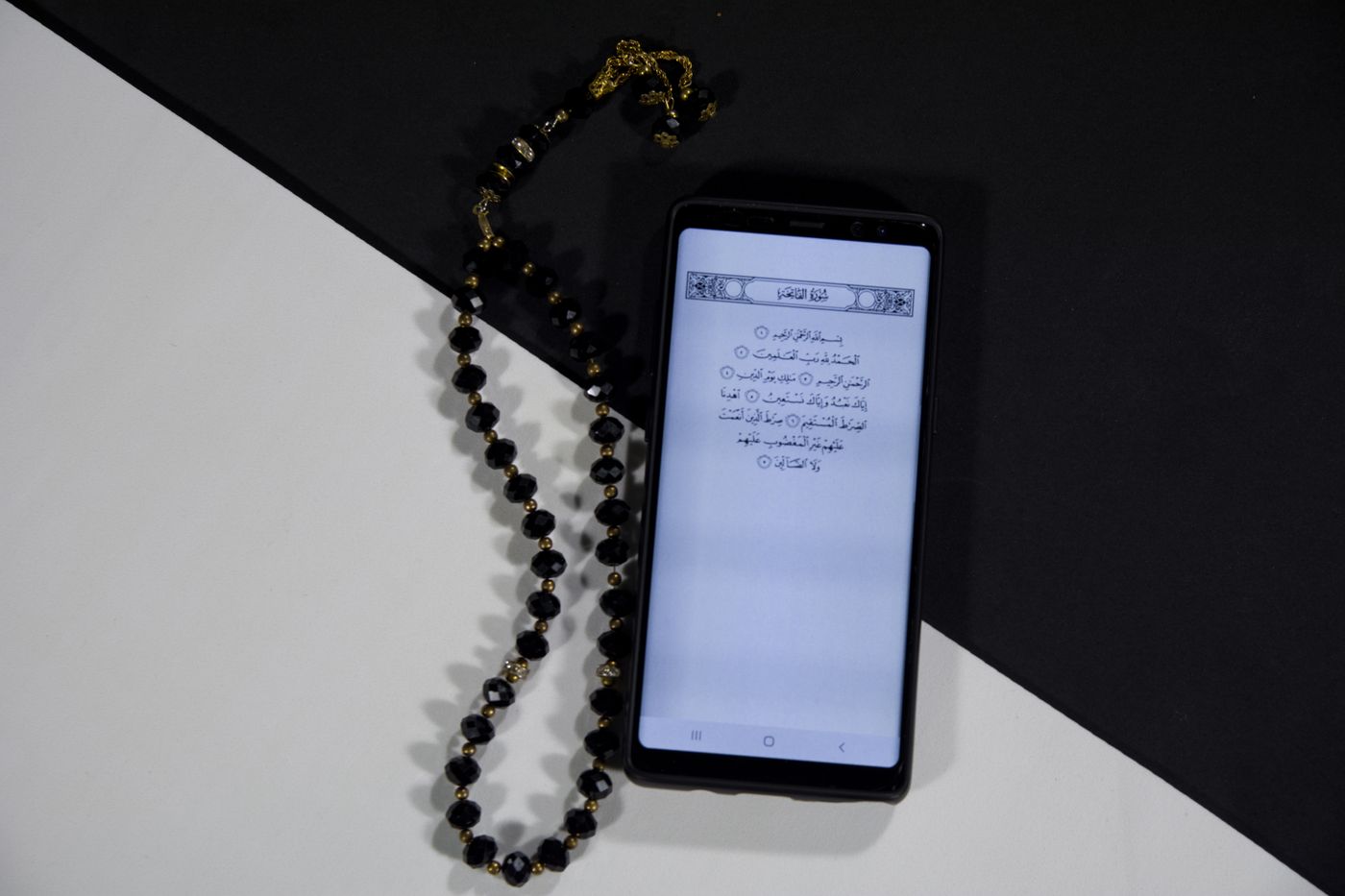
Editorial note: This article is based on the caption and provided screenshot of the Santapan Minda testimonial. Readers can watch the original video through the link above. The featured photo is illustrative and does not depict Nazmi. We have not claimed any specific study duration, score or measured learning outcome.